
Food waste is one of the most serious challenges facing the world today,
directly contributing to environmental degradation
and accelerating climate change.
Our project aimed to gain a deeper understanding
of consumer behaviour patterns related to food management
in households.
This allowed us to identify the key factors
behind food waste and develop effective ways
to address them.
 As part of the project, we focused on
three main areas that allowed us
to explore the issue from different perspectives:
We analysed consumer habits and choices to understand why food is wasted. Our research focused on households, providing the foundation for developing effective solutions.
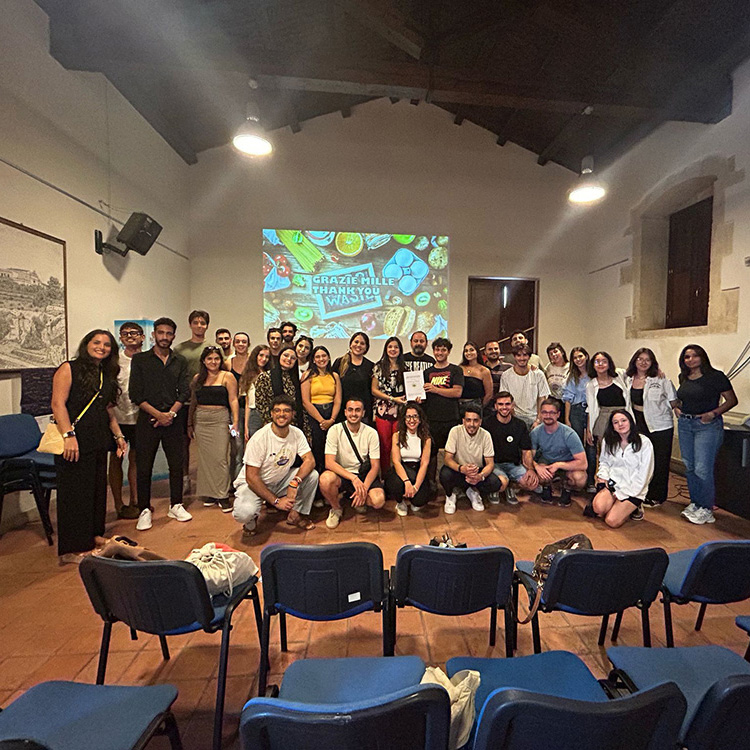
We believe change is possible! During discussion panels held in Warsaw, Thessaloniki and Avola, we explored concrete strategies and actions. Our goal was to reduce food waste by 30% over the following three years.
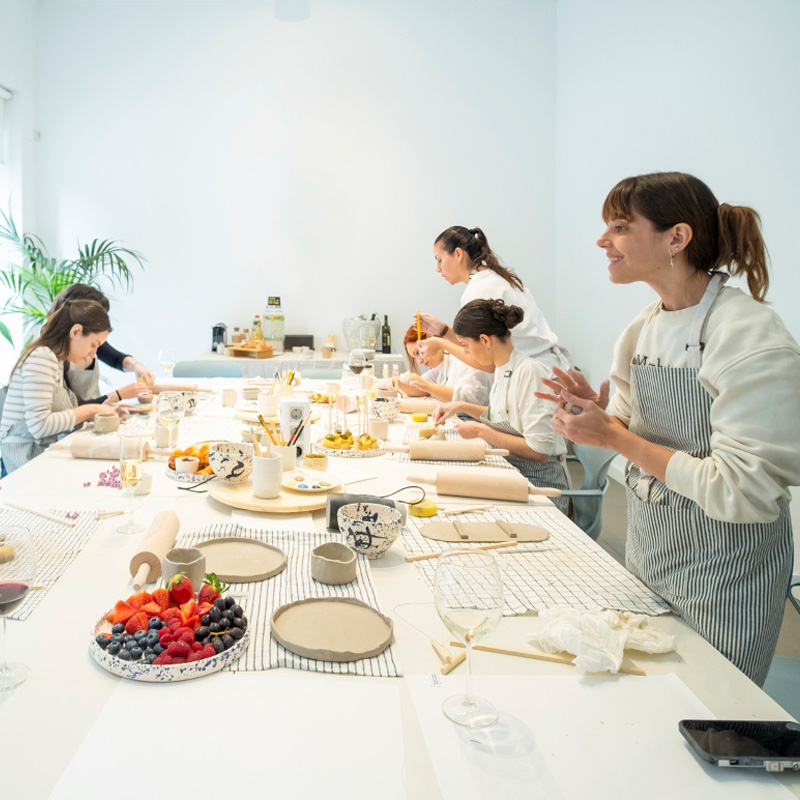
During our Food Art workshops, we explored techniques for creating culinary works of art that combine aesthetics with functionality. We learned how emotions, senses and social conventions influence the way we perceive food, and how to give food a second life.
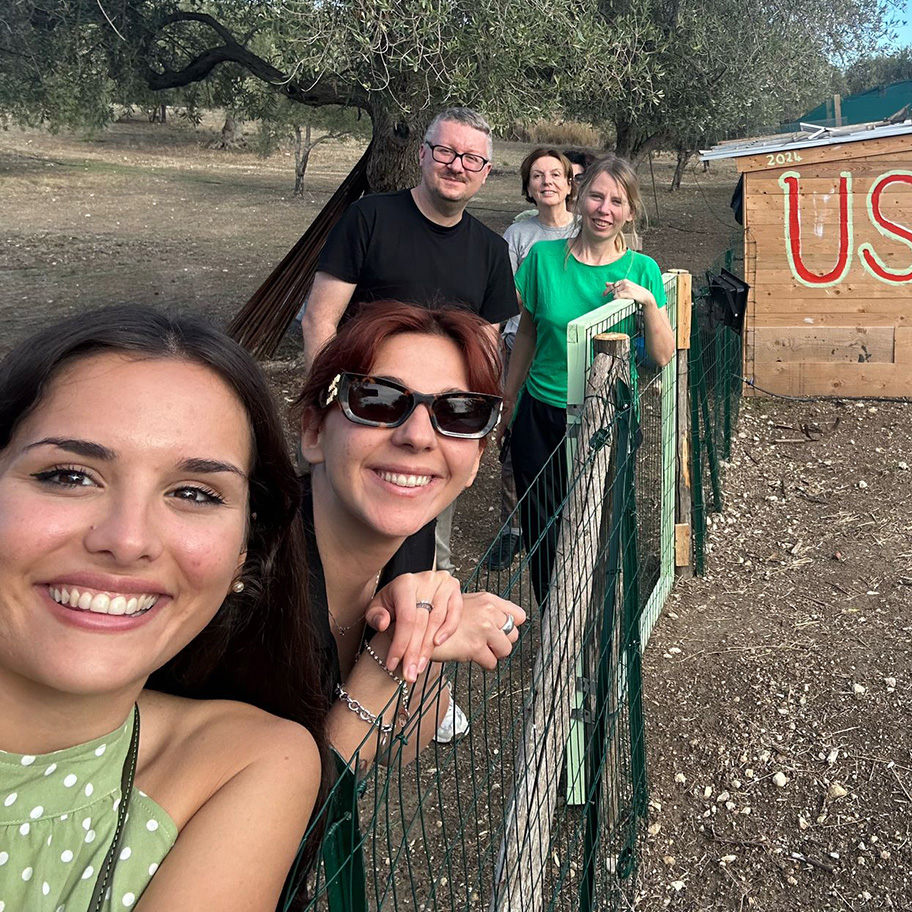
As Wytwórnia Inicjatyw Twórczych,
we were the main initiator and organiser of the project.
We invited organisations from
Italy and
Greece
to join us.
They brought together valuable experience
in education, social inclusion
and sustainable development:
An association promoting social inclusion and sustainable development among young people. It runs an educational farm where young people from around the world learn about organic farming. The organisation has extensive experience in Erasmus+ projects focused on the environment, climate and healthy food.
A non-governmental organisation based in Thessaloniki and a recognised Adult Education Training Centre. It specialises in youth and adult education, intercultural dialogue, social inclusion and active citizenship. The organisation has been active in the Erasmus+ programme since 2014.
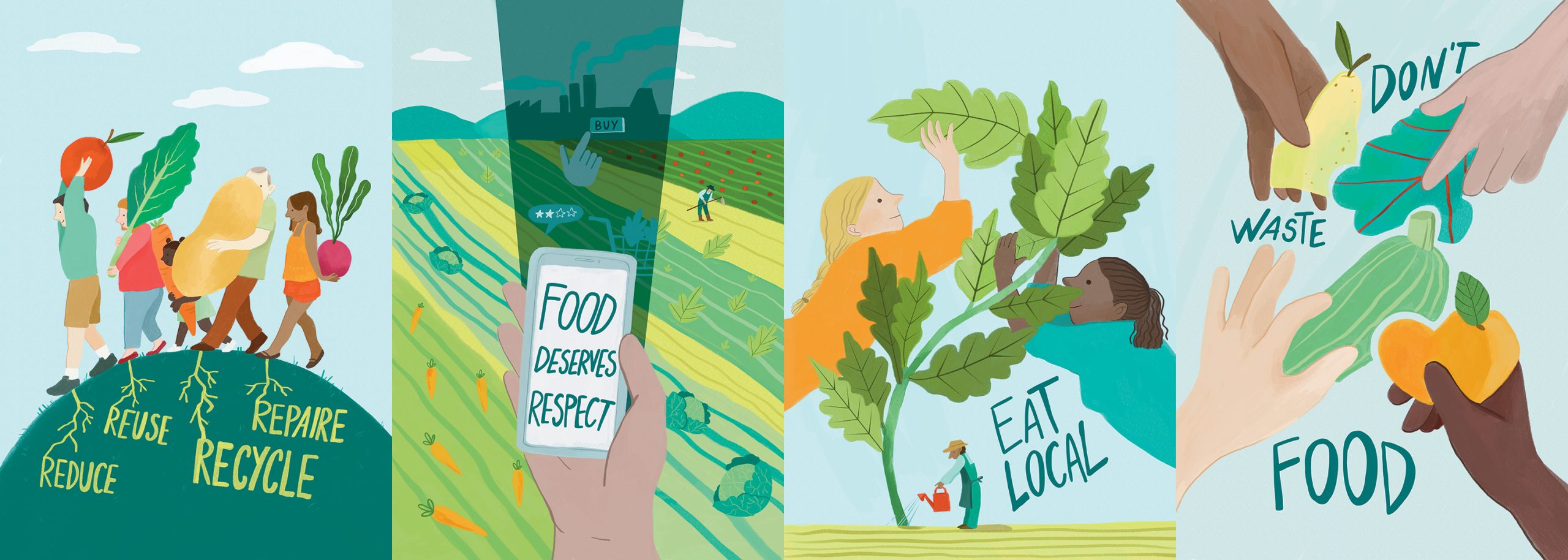
As part of the project, we carried out a range of dissemination activities aimed at raising awareness of food waste among the widest possible audience. Articles were published in industry media in Poland, Italy and Greece, highlighting the importance of sustainable food management. We also developed an e-book providing a comprehensive source of knowledge on the subject, as well as an animation available in Polish and English that explains the scale and consequences of food waste in an accessible way. We also launched a website dedicated to food waste and designed clear infographics in both languages, making key data and issues easier to understand.
Website Gallery